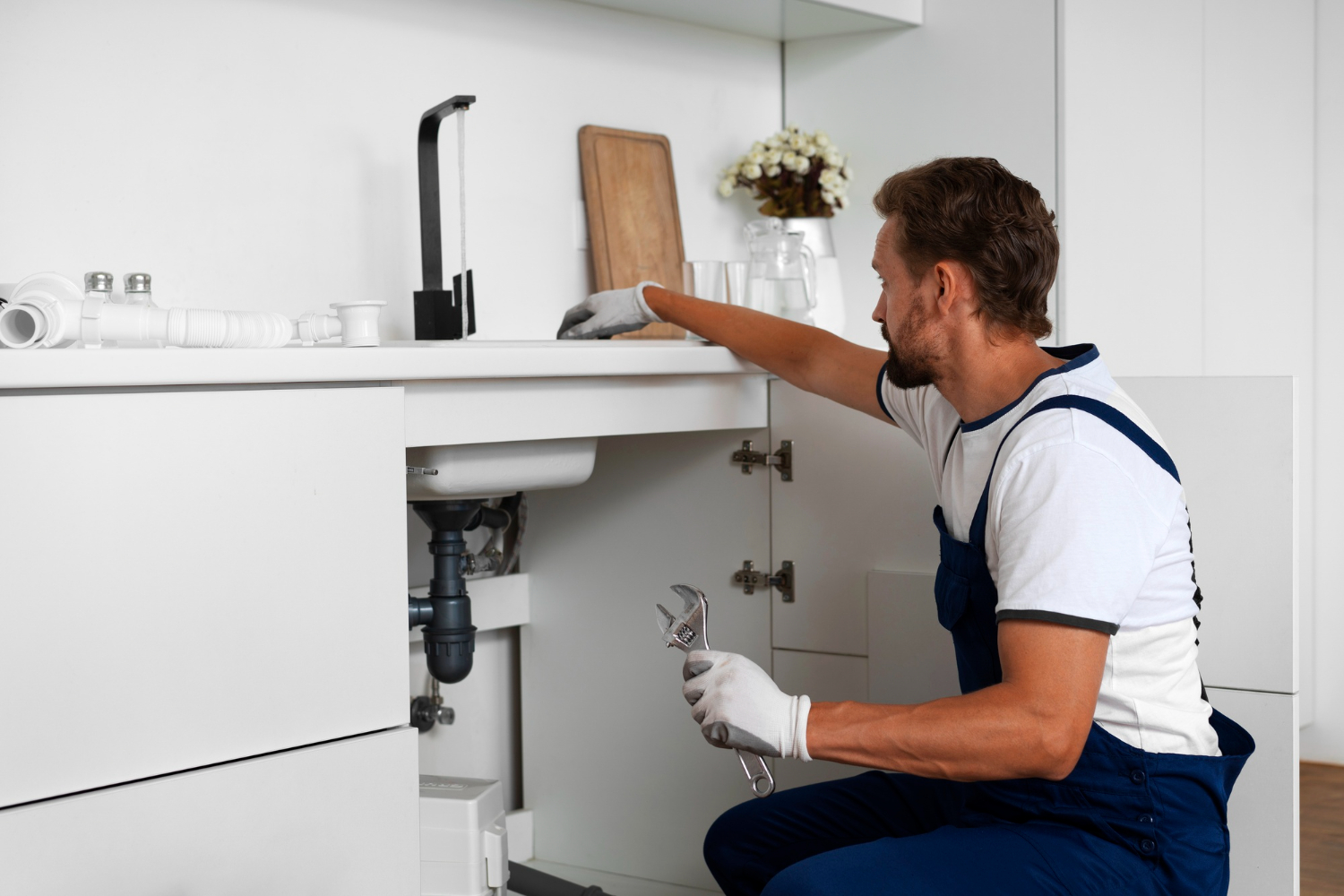
Homeowners and business owners throughout Florida frequently discover that waiting for plumbing problems to become emergencies is expensive, disruptive, and stressful. When a pipe bursts at midnight on a holiday weekend, emergency service calls cost significantly more than routine maintenance, and the damage to walls, floors and belongings can be catastrophic. When a sewer line backs up during the busiest day of the month for a restaurant or retail establishment, lost revenue and reputation damage compound the financial impact. Yet many property managers continue to operate under a reactive model, hiring unreliable handymen only after something breaks rather than implementing systematic approaches that prevent problems from developing in the first place. The good news is that a growing number of forward thinking property owners have discovered that working with Certified plumbers in Pembroke Pines and other Florida communities who offer comprehensive maintenance contracts transforms plumbing management from a source of anxiety into a controlled, predictable and budget friendly operating expense. These contracts provide the peace of mind that comes from knowing licensed professionals are regularly inspecting systems, identifying potential issues before they become emergencies, and maintaining properties according to code and manufacturer specifications.
The true cost of reactive versus proactive plumbing management
Understanding the economic difference between reactive and proactive plumbing management requires thinking beyond the single moment when something breaks. Imagine a commercial property owner who postpones drain cleaning year after year because the drains seem to be working fine most of the time. The actual cost is minimal each month in the immediate sense, but the accumulated debris, grease buildup and slow degradation creates conditions where a catastrophic clog becomes inevitable. When that backup finally occurs, emergency plumbers charge premium rates for immediate response, the property experiences disruption during peak operating hours, potential contamination of work areas creates health code violations, and customers or employees lose confidence in facility maintenance standards. The emergency repair that could have been prevented through annual cleaning and inspection now costs three to five times what preventative maintenance would have been. A manufacturing facility that ignores water heater maintenance might operate for several years without apparent problems, but the corrosion and sediment accumulation happening invisibly inside the tank means that when failure occurs, it often happens in the most inconvenient way possible.
Plumbing systems in Florida face particular vulnerabilities that make preventative maintenance especially critical. The subtropical climate with high humidity and significant seasonal rainfall accelerates corrosion of metal pipes, promotes mold growth in damp environments, and creates conditions where water quality varies considerably from season to season. Hurricane seasons introduce risks of backups and flooding that can be mitigated through proper system maintenance and preparation. Older properties throughout Florida, particularly in established neighborhoods, frequently have aging plumbing infrastructure that requires more careful monitoring and proactive replacement before catastrophic failure. Rather than fighting an inevitable decline of aging systems, property owners who adopt preventative maintenance contracts work strategically with their plumber to identify which components should be replaced before they fail, schedule upgrades during convenient periods instead of emergency situations, and maintain comprehensive records documenting all work performed.
What comprehensive plumbing maintenance contracts actually include
A well designed plumbing maintenance contract goes far beyond simply responding to emergency calls. Professional contracts typically include regularly scheduled inspections where licensed plumbers examine visible piping, fixtures, water heaters, drains, and other components to identify developing problems. These inspections might include video inspection of drain lines to detect early signs of blockage or structural issues that are invisible from the surface. The plumber documents findings in a detailed report that becomes a permanent record for the property, allowing future technicians to understand the history of the system and anticipate maintenance needs based on documented patterns and previous repairs.
Most contracts incorporate drain cleaning and preventative maintenance services at regular intervals, typically one to four times annually depending on property type and system characteristics. A restaurant with extensive grease producing equipment might require quarterly drain cleaning, while a modest residential property might benefit from annual service. During these visits, plumbers address minor issues before they escalate, tighten loose connections that develop over time, apply protective treatments to slow corrosion, and verify that all systems are functioning within normal parameters. The goal is to catch problems when they are small and manageable rather than waiting for dramatic failures that create safety hazards or extensive property damage.
Water heater maintenance represents another critical component of comprehensive contracts. Water heaters accumulate sediment that reduces efficiency, corrodes the tank interior, and accelerates degradation toward inevitable failure. Regular flushing removes this sediment, extends equipment life, and improves energy efficiency by reducing the effort required to maintain desired water temperature. Contracts typically include regular inspection of the tank for signs of corrosion or leaking, testing of pressure relief valves to ensure they function properly, and verification of thermostat settings to maintain efficiency while meeting health code requirements for adequate temperature. A water heater that receives this level of care might operate reliably for fifteen years, whereas one that is neglected might fail catastrophically at seven years, requiring emergency replacement and water damage repair.
Emergency response and priority service benefits
One of the most valuable benefits of maintenance contracts is the priority response commitment that accompanies them. Property owners with active contracts typically receive guaranteed same day or next day response to service requests, rather than joining the queue of walk in emergency calls competing for availability. During hurricane season or other periods when plumbing emergencies increase across the community, contract customers receive priority scheduling because the relationship is already established and the terms are clear. This distinction between priority and standard service can mean the difference between water damage being addressed within hours versus days.
Additionally, the relationship developed between property managers and their plumbing service partner creates opportunities for better communication and faster problem resolution. A plumber who has visited a property regularly and maintains detailed documentation understands the specific characteristics of that building's systems, knows what previous repairs were performed, understands any idiosyncratic behaviors or weak points, and can often diagnose problems more quickly and accurately than someone unfamiliar with the property. A contractor managing multiple properties can brief their plumber about upcoming events, anticipated high water usage periods, or areas where previous problems have occurred, allowing the plumber to perform targeted inspections and preparations.
Scalability from single residential properties to multi unit developments
The flexibility of plumbing maintenance contracts means they scale appropriately from single family homes to large commercial developments. A homeowner might contract for one or two annual inspections plus emergency response coverage for an affordable annual fee. A small commercial property such as a dental or medical office might arrange quarterly visits focusing on backflow prevention testing, fixture maintenance, and drain cleaning. A multi unit residential complex with hundreds of apartments might implement monthly plumbing inspections across different properties, coordinated plumbing replacements that minimize disruption to residents, and comprehensive documentation systems tracking maintenance across all properties.
Large developments benefit from customized contract structures that allow property managers to budget accurately for plumbing expenses, rather than facing unpredictable emergency costs that make budgeting impossible. Property owners managing vacation rentals or short term rental properties recognize that maintaining exceptional plumbing reliability is critical to guest satisfaction and rental revenue, making preventative maintenance contracts particularly valuable for protecting income streams that depend on property functionality.
Compliance and code adherence through professional guidance
Property owners often discover that compliance with health codes, building codes, and insurance requirements is considerably easier when they work with licensed professionals following systematic maintenance protocols. Restaurants require regular backflow prevention testing to ensure contaminated water cannot enter the municipal supply, a requirement that is often overlooked by owners managing properties without professional support. Medical facilities require specific backflow protection and water quality standards that must be documented. Multi family residential properties need to maintain adequate hot water temperature and pressure for tenant health and safety. Professionals working under maintenance contracts ensure these requirements are understood, properly implemented, and documented with certificates proving compliance.
Insurance companies and property valuators frequently recognize that properties with documented plumbing maintenance contracts carry lower risk, sometimes resulting in insurance premium reductions that help offset maintenance costs. When properties are being sold, comprehensive maintenance records demonstrating that systems are properly maintained increase property value and reduce buyer concerns about undisclosed plumbing issues lurking beneath the surface. In the event of litigation or insurance claims related to water damage or plumbing failures, documented maintenance records provide evidence that the property owner exercised reasonable care and responsibility.
Long term value and operational peace of mind
The true value of professional plumbing maintenance contracts extends beyond the immediate financial calculations of repair costs avoided. Knowing that trained professionals are regularly monitoring systems, that potential problems are being identified and addressed before they escalate, and that emergency support is available when needed creates operational peace of mind that allows property managers to focus on their actual business instead of constantly worrying about plumbing disasters. For multi property managers, this peace of mind is multiplied across their entire portfolio.
In Florida's challenging environment with aging infrastructure, demanding climate conditions, and strict regulatory requirements, professional plumbing maintenance contracts represent responsible stewardship of property investments and operational assets. Rather than viewing them as an optional expense, property owners who understand the true cost of emergency repairs and system failures recognize them as essential infrastructure that protects both property value and operational continuity.


 blogs
blogs